
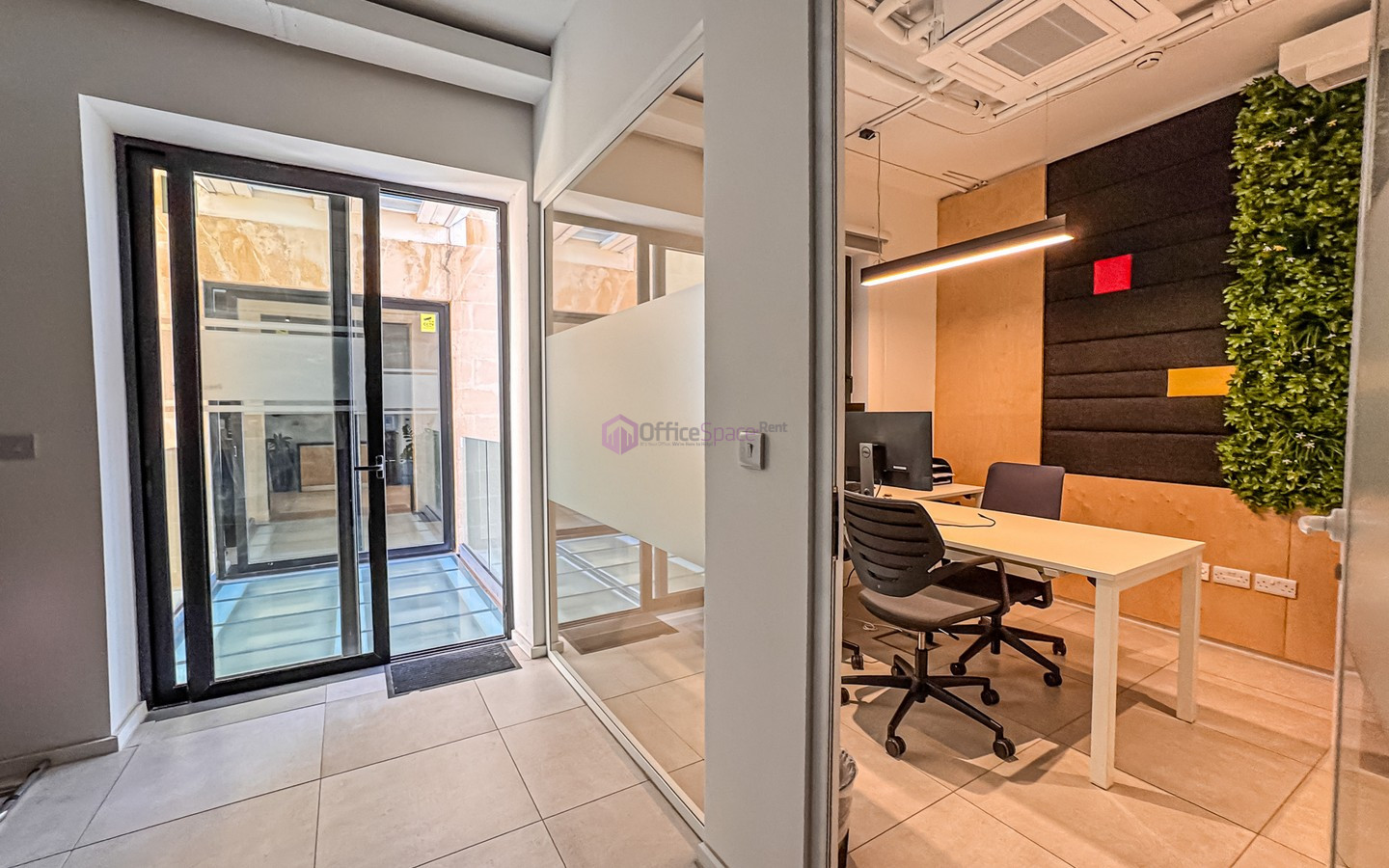
Moving a business to a new office is one of those projects that looks simple on a whiteboard and turns complicated the moment real dates appear. In Malta, where many firms are growing quickly and good space in the busiest districts is in demand, a clear plan makes the difference between a calm move and a rushed one.
This checklist walks through the stages most growing teams go through when they rent office space in Malta, from the first headcount estimate to the first morning in the new premises.
Stage 1: Start With Your Current Lease
Before you look at a single listing, read your existing lease. Note the end of the firm period (di fermo), the notice you must give to leave, how that notice has to be served and whether you are expected to reinstate the premises to their original condition. These points set the outer limits of your timeline.
If reinstatement is required, get a rough quote early. Removing partitions, cabling and fixtures takes time and money, and it usually has to be finished before you hand back the keys.
Stage 2: Work Out How Much Space You Need
Headcount drives almost every other decision. Count the people who will use the office now, then estimate where you expect to be in two to three years. Think about how often people will be on site, since a team that splits its week between home and office may need fewer desks than staff.
A widely used starting point is about 10 to 12 square metres per person, before adding meeting rooms, storage or a reception area. An office space calculator helps you test different layout assumptions, such as more meeting rooms or a larger kitchen, before you commit to a size.
Do Not Forget the Non-Desk Areas
Teams often underestimate the space needed for focus rooms, phone booths, a comms room for network equipment and somewhere for deliveries and visitors. Listing these needs early avoids taking an office that looks right on paper but feels cramped within months.
Stage 3: Set a Realistic Budget
Your budget should cover more than rent. Build a simple sheet with every likely cost:
- Rent and the pricing period stated in each offer
- VAT, service charges and common-area costs
- Parking spaces, if needed
- Security deposit and any advance rent
- Fit-out, furniture, IT and cabling
- Removal company and temporary storage
- Agency fees, where applicable
Rental benchmarks for different districts are useful for setting expectations, but treat them as indicative. The final cost of a specific office depends on its condition, building services and the terms you negotiate.
Stage 4: Choose Your Target Locations
Location affects commuting, client access, recruitment and parking. Sliema and St Julian's suit firms that want waterfront addresses and plenty of nearby amenities. Gżira, Msida and Ta' Xbiex offer harbour-area options close to Valletta. Central areas such as Birkirkara, Mriehel and Attard are popular with businesses that value road access and larger floor plates.
Ask your team where they live and how they travel. A move that adds a long commute for key staff can cost more in retention than it saves in rent.
Stage 5: Shortlist, View and Compare
Write a one-page brief with your space needs, budget, preferred areas, move-in date and must-have features. Share it with a commercial office agency so they can prepare a focused shortlist rather than a long list of loosely matching listings.
During viewings, check natural light, air conditioning, lift access, internet providers serving the building, parking arrangements and the condition of shared areas. Take photos and notes, because offices start to blur together after the third or fourth visit.
Confirm the Planning Use
Make sure the premises are approved for office use under the relevant planning class before you negotiate. It is a quick check that prevents expensive surprises later.
Stage 6: Negotiate and Sign
Key terms to agree include the rent and any increases over time, the firm period and the period after it during which you may give notice, the deposit (garanzija), who pays for which works, any rent-free period for fit-out and the condition the office must be returned in at the end.
Have a lawyer review the lease before signing. Small wording differences in notice or reinstatement clauses can have a big effect several years later.
Stage 7: Plan the Fit-Out and the Move
If the office needs works, agree a design, gather quotes and set a programme with clear milestones. Order furniture and IT equipment early, since delivery lead times can be longer than expected.
For the move itself, appoint one person inside the business as the move lead. Their checklist should include:
- Booking the removal company and lift access at both buildings
- Transferring internet, phone lines and utilities
- Updating your registered address, website, invoices and Google Business Profile
- Setting up access cards and security systems
- Labelling desks and equipment so everything arrives in the right place
Stage 8: Settle In and Review
After the first few weeks, ask the team what works and what does not. Small changes to desk positions, meeting room booking rules or storage can make a new office feel right much faster.
Keep a copy of the signed lease, the inventory and photos of the office condition on the day you moved in. They will be useful when the lease comes up for renewal or when you eventually move again.
Final Thought
The most successful office moves start early, keep the budget honest and put one person in charge of the details. Give yourself several months for a straightforward move, and longer if the new space needs significant works.