A few years ago, lab-grown diamonds were a curiosity. In 2026 they are one of the most common choices for engagement rings, and for good reason. They look identical to mined diamonds, they are graded the same way, and they typically cost a fraction of the price. That does not mean every lab-grown ring is a good buy, though. Here is what careful buyers check before they commit.
Are Lab-Grown Diamonds Real Diamonds?
Yes. A lab-grown diamond is pure carbon arranged in the same crystal structure as a mined diamond. It scores 10 on the Mohs hardness scale, has the same refractive index, and shows the same fire and brilliance. The only difference is origin: instead of forming deep underground over millions of years, it is grown in a controlled environment over a few weeks.
Even trained jewelers need specialist equipment to tell the two apart. If you are comparing styles, a wide range of lab-grown diamond engagement rings lets you see solitaire, halo and three stone options side by side.
How Much Can You Actually Save?
Savings vary by size and grade, but lab-grown stones commonly cost well under half the price of a natural diamond with the same carat, color and clarity. Most couples use that difference in one of three ways: a larger center stone, a higher color or clarity grade, or a more detailed setting. Some simply spend less and put the savings toward the wedding.
Check the Certificate
A grading report is the single most important document when buying any diamond. For lab-grown stones, look for a report from a recognized lab such as IGI or GIA. The report should state clearly that the diamond is laboratory grown and list its carat weight, color, clarity, cut grade and measurements. Many lab-grown diamonds also carry a tiny laser inscription on the girdle that matches the report number.
Never rely on a description alone. If a seller cannot show a report for a center stone, treat that as a warning sign.
Grades That Make Sense
Because lab-grown diamonds cost less, it is easier to reach strong grades. For most buyers, these targets give excellent value:
- Cut: Excellent or Ideal for round stones, since cut drives sparkle
- Color: F to H for a white look in platinum or white gold
- Clarity: VS1 to VS2 for an eye-clean stone without overpaying
Choose the Setting With Care
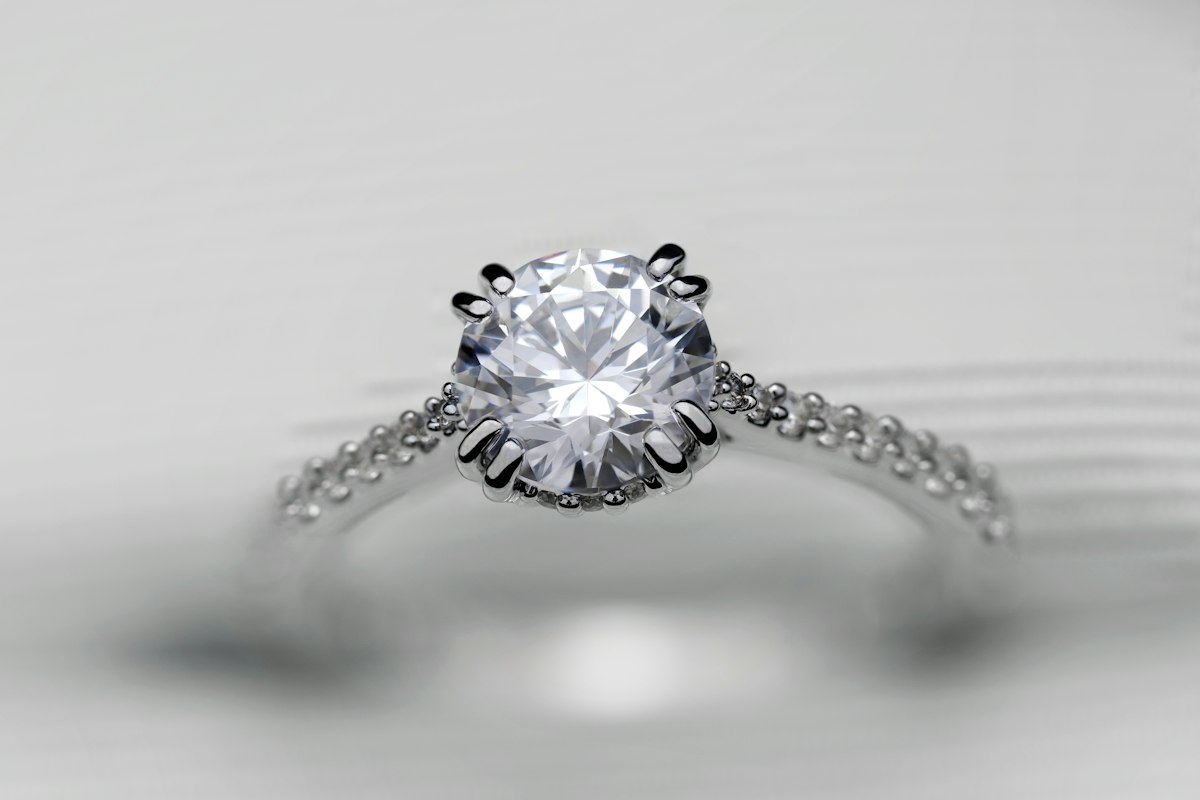
The setting matters as much as the stone. Four or six prongs hold a solitaire securely, a halo makes the center look larger, and a pave band adds brightness along the finger. Metal choice affects both look and durability: platinum is the most hard-wearing, while 14k gold offers a balance of strength and value.
Because lab-grown center stones free up budget, many buyers step up to a more detailed design. Browsing lab grown engagement rings by setting style is a quick way to see what that extra budget can buy.
What About Resale Value?
This is the honest trade-off. Lab-grown diamonds generally have little resale value, and prices for new stones have fallen over time. If you see your ring as a lifetime piece rather than an investment, that matters very little. If long-term value is a priority, a natural diamond may suit you better.
Caring for a Lab-Grown Ring
Care is the same as for any diamond ring. Clean it with warm water, mild soap and a soft brush, have the prongs checked by a jeweler once a year, and take it off for heavy work or the gym. A lab-grown diamond is just as durable as a mined one, so it will hold up to daily wear for decades.
Final Thoughts
A lab-grown diamond offers real beauty and real value, as long as you buy with the same care you would bring to a natural stone. Ask for the grading report, set sensible grade targets, and choose a well-made setting. Do that, and your ring will look stunning for a lifetime.